
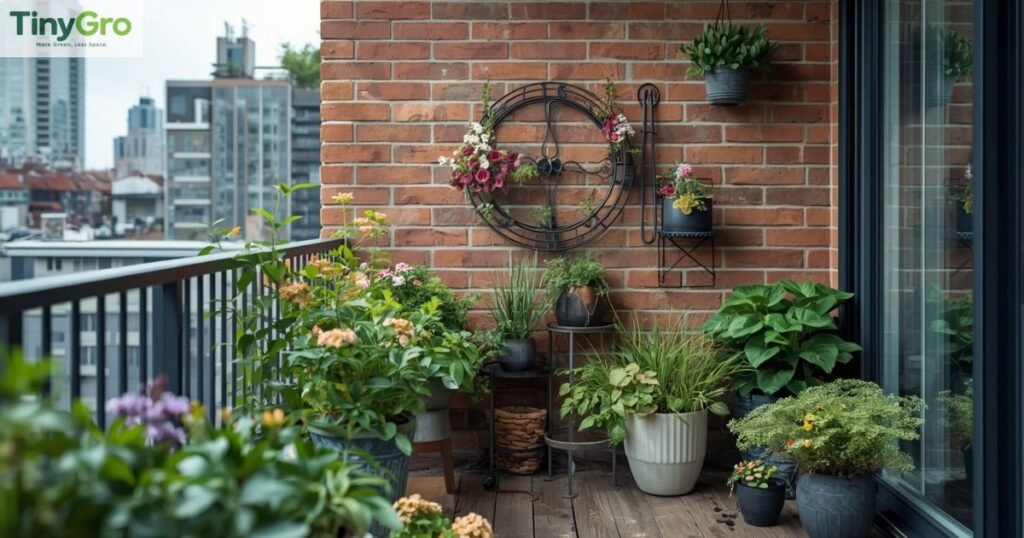
Balcony Gardening
With the right Balcony Garden Ideas, even a narrow apartment balcony can become a refreshing green retreat. You can grow fresh herbs, colorful flowers, leafy greens, and compact vegetables while making every inch count. Smart balcony gardening combines practical containers, suitable plants, and creative layouts to transform unused space into something productive. Whether you have full sun, partial shade, or a windy high-rise balcony, there are plenty of options to explore. In this guide, you’ll discover simple small balcony garden ideas, space-saving planting techniques, and beginner-friendly care tips. Let’s turn your limited balcony garden space into a thriving small space garden you’ll love.
A tiny balcony can become much more than a place for a chair and a few pots. With the right balcony garden ideas, you can grow herbs, vegetables, flowers, and even compact fruit crops without owning a backyard. That makes balcony gardening especially useful for apartment renters and urban gardeners.
The trick is to treat your balcony like a miniature garden room. You need the right light, containers, growing medium, water, and plant choices. This guide walks you through each step, from measuring your balcony garden space to harvesting fresh food. You’ll also learn how to avoid common mistakes that make small gardens harder than they need to be.

How to Plan a Small Balcony Garden Before You Start
Before buying a single plant, study your balcony carefully. Check its sunlight exposure, wind, available water source, and usable floor area. A south-facing balcony may receive strong direct sunlight, while a north-facing balcony can have much lower light. Track sunlight hours for several days before choosing plants. This simple step can prevent many gardening headaches later. (Illinois Extension)
Safety matters just as much as sunlight. Check balcony restrictions, landlord permission, building management rules, and balcony weight limits before adding heavy containers. Wet soil can weigh considerably more than dry soil. Also consider wind exposure, especially on a high-rise balcony, because strong winds can topple tall pots and dry plants rapidly.
| What to check | Why it matters |
| Full sun | Best for many fruiting vegetables |
| Partial sun | Works for several herbs and vegetables |
| Partial shade | Suitable for many leafy crops |
| Full shade | Limits edible crop choices |
| Wind exposure | Affects watering and plant stability |
| Water drainage | Prevents messy runoff and water damage |
| Balcony weight limits | Helps keep containers safely within limits |
Measure Your Balcony and Plan the Available Space
Grab a tape measure and record the length, width, railing depth, door clearance, and walking area. Then sketch a simple small garden layout on paper. Mark sunny corners, shaded areas, and places where containers will not interfere with doors or furniture. A rough drawing can save money and prevent overcrowding.
Check Sunlight Before Choosing Plants
Light determines what your balcony can realistically grow. Many vegetables need full sun, often around six hours of direct light, while leafy crops can tolerate lower light. For example, tomatoes and peppers need substantial sunlight, whereas lettuce and kale handle some shade better. (Penn State Extension)

Consider Wind and Your Water Source
Wind can turn a pleasant balcony into a miniature wind tunnel. It increases evaporation and may damage tender leaves or topple unstable containers. Meanwhile, a nearby water source makes daily care easier. If you must carry water indoors, place a small watering can near the balcony door to make regular watering less of a chore.
How to Maximize Space in a Small Balcony Garden
When floor space disappears quickly, look upward. Vertical gardening lets you use walls, railings, corners, and overhead areas instead of relying entirely on the floor. Try vertical planters, railing planters, hanging baskets, and narrow plant stands. This approach can dramatically increase planting capacity without making your balcony feel crowded.
Think of your balcony as several layers rather than one flat surface. Place compact containers on the floor, use tiered plant stands in corners, and train climbing plants upward on secure trellises. You can also use window boxes, wall-mounted planters, and tower gardens where permitted. Keep pathways clear so your garden remains enjoyable.

Create Garden Zones Instead of Filling Every Corner
Divide the balcony into simple garden zones. One area might hold vegetables, another could become a relaxing seating area, and a third could contain herbs near the kitchen door. This creates order and makes your garden easier to maintain. Good space-saving garden ideas should improve usability, not simply squeeze in more pots.
Use Vertical Space for More Plants
Vertical structures can serve several purposes at once. A trellis can support cucumbers while also creating a natural privacy screen. A hanging basket can provide flowers without occupying floor space. Likewise, a narrow shelf can hold herbs while keeping your walking path open. This is where creative small-space gardening becomes genuinely rewarding.
Best Containers and Planters for Balcony Gardens
Choosing the right container involves more than appearance. Your pots need enough container size, root depth, stability, and drainage for the crop you grow. Extension guidance notes that larger plants generally require more root room. Larger containers also tend to dry less quickly than tiny pots. (Illinois Extension)
For balconies, weight deserves special attention. Lightweight containers are easier to move, while heavy pots can provide useful stability against wind. Terracotta pots breathe well but lose moisture faster than plastic. Fabric grow bags offer another lightweight option. For busy gardeners, self-watering containers can reduce watering stress when properly suited to the crop.
| Container type | Main advantage | Main consideration |
| Plastic | Lightweight and moisture-retentive | Can heat in strong sun |
| Terracotta | Breathable and attractive | Dries faster |
| Fabric grow bags | Lightweight and foldable | Need regular moisture |
| Self-watering | Helpful for busy gardeners | Not ideal for every plant |
| Ceramic | Attractive and durable | Can become heavy |
| Composite | Lightweight appearance | Quality varies |

Why Drainage Holes Matter
Every container should provide reliable drainage holes. Without them, water can remain around the roots and reduce available oxygen. Persistent wet conditions encourage root rot and other problems. Use a quality potting mix rather than ordinary garden soil because container media needs to balance moisture retention with soil drainage. (Illinois Extension)
Match Container Size to the Plant
A tomato needs far more root room than a small herb. Penn State recommends a container around 20 inches wide for one tomato plant, while peppers and eggplants can manage with smaller containers. Exact needs vary by cultivar, so check the plant label and mature size before planting. (Penn State Extension)
What Are the Best Plants to Grow on a Balcony?
The best plants for balcony gardens are not necessarily the smallest plants. They are plants that match your available light, container depth, climate, and care routine. Fortunately, many vegetables and herbs perform well in containers. Choosing compact cultivars can make a major difference when you have limited room. (Illinois Extension)
Your balcony can support a surprisingly productive mix of container plants. You might grow cherry tomatoes beside basil, add peppers near lettuce, and train cucumbers upward. The key is to match each crop with its growing conditions, container, and expected mature size rather than planting everything together randomly.
Best vegetables for balcony gardens
For vegetables for balcony gardens, start with crops that produce well in containers. Cherry tomatoes, peppers, lettuce, arugula, kale, green beans, cucumbers, radishes, carrots, and Swiss chard are useful choices. Compact or dwarf varieties often work especially well. Illinois Extension lists many of these crops among suitable container vegetables. (Illinois Extension)

Best herbs for balcony gardens
Several herbs for balcony gardens need surprisingly little space. Basil, parsley, chives, thyme, rosemary, sage, mint, and oregano can thrive in containers when their light and moisture needs are met. Keep mint in its own pot because it spreads aggressively. Group herbs with similar watering preferences to simplify care.
Best flowers for small balconies
For flowers for small balconies, consider nasturtiums, marigolds, calendula, petunias, zinnias, alyssum, and lavender. Several offer more than visual appeal. Nasturtiums and calendula provide edible flowers, while flowering plants can attract pollinators and other beneficial insects. Choose varieties suited to your local climate and sunlight.

Best fruits for balcony containers
Compact strawberries are an excellent starting point for balcony fruit. Depending on your climate and available container space, dwarf blueberries, patio citrus, figs, or compact berries may also work. Illinois Extension notes that the nursery industry has developed dwarf fruit cultivars specifically for limited spaces. (Illinois Extension)
Best low-maintenance balcony plants
If your schedule is busy, choose low maintenance plants that tolerate your balcony conditions. Herbs, leafy greens, compact flowers, and resilient succulents can be easier than thirsty fruiting crops. However, “low maintenance” never means “no maintenance.” Even tough plants need appropriate light, water, drainage, and occasional feeding.
How to Design a Beautiful Small Balcony Garden
A productive garden can also look polished. Start by choosing a simple garden style, such as modern, rustic, Mediterranean, tropical, or cottage inspired. Then repeat a few materials or colors across your pots and planters. Consistency creates a calmer garden mood, even when you grow many different plants.
Next, create a practical plant layout. Put taller crops toward the back or edges so they do not shade smaller plants. Keep frequently harvested herbs close to the door. Combine a few colorful containers with greenery and flowers. This turns an ordinary balcony into a productive garden that still feels like a comfortable outdoor room.

How to Create a Vertical Balcony Garden
A vertical balcony garden can turn unused height into productive growing space. Freestanding towers, pocket planters, trellises, shelves, and hanging systems all offer different approaches. Choose based on your balcony’s structure, wind conditions, weight limits, and access to water. A clever design should remain stable when plants become heavy with fruit.
Climbing crops make especially good vertical candidates. Cucumbers, beans, peas, and some tomatoes can grow upward with proper support. However, fruit-loaded plants can become surprisingly heavy. Secure the structure and avoid attaching anything to building surfaces without permission. Vertical growing works best when safety comes before squeezing in one extra plant. (Illinois Extension)

Choose the Right Vertical Structure
Use a trellis for climbers, pocket systems for shallow-rooted herbs, and towers for compact crops. Hanging plants work well where overhead support is safe. Place heavier systems on stable surfaces rather than precarious railings. Always consider mature plant size and the combined weight of the structure, growing medium, and water.
Grow Edibles Vertically
Leafy greens and herbs work well in compact vertical systems. Strawberries can also suit tiered arrangements. Beans and cucumbers can climb trellises when their containers provide sufficient root space. The trick is to match the crop to the structure. A strong climber needs far more support than a small basil plant.
How to Plant a Balcony Garden Successfully
Successful planting starts with the growing medium. Avoid filling balcony pots with heavy native garden soil. Container plants need a suitable potting mix that provides air, moisture retention, and drainage. Many soilless mixes use materials such as perlite, composted bark, vermiculite, or coco coir. (Penn State Extension)
Plant according to mature size rather than the tiny seedling you see today. Check mature plant size, mature root depth, and recommended plant spacing before filling the container. For vegetables, also consider whether the variety needs a cage or trellis. Illinois Extension recommends selecting containers and varieties according to root space and plant growth habit. (Illinois Extension)
Build a Lightweight Potting Mix
A quality mix might contain peat or coco coir, perlite, composted bark, and compost. Perlite improves aeration and drainage. Compost contributes organic matter and some nutrients. Orchid bark can be useful for certain specialty mixes, although most balcony vegetables simply need a reliable commercial container mix.
Plant According to Sunlight
Place crops according to their light requirements. Tomatoes and peppers generally need strong light, while lettuce and kale tolerate some shade. Avoid placing a tall tomato directly in front of a short herb if it blocks the herb’s direct sunlight. Smart placement can increase productivity without adding another container.
Add Plant Support Early
Install cages, stakes, or trellises while planting. Doing so prevents you from disturbing established roots later. Determinate tomatoes, pole beans, and cucumbers may need support as they grow. A small support system installed early can save considerable trouble once the plant becomes dense and heavy.
How to Water and Fertilize Balcony Plants
Balcony garden watering requires more attention than watering plants in the ground. Containers hold a limited amount of growing medium, so hot weather and wind can dry them quickly. Check soil moisture before watering. When watering, apply enough water to moisten the root zone thoroughly and allow excess water to leave the drainage holes. (Illinois Extension)
There is no universal watering schedule for every balcony. A tiny pot in summer may need water far more often than a large container in mild weather. Hand watering works well for small collections. Drip irrigation, automatic watering, and self-watering planters can help larger setups. A moisture meter can also assist beginners.
| Watering method | Best use |
| Watering can | Small collections |
| Hand watering | Flexible daily care |
| Drip irrigation | Larger container groups |
| Self-watering containers | Busy gardeners |
| Watering globes | Short-term backup |

How to Prevent Underwatering
Watch for dry soil, curling leaves, wilting, or unusually rapid drying. Wind and hot surfaces can increase evaporation. Larger containers generally hold moisture longer than small ones. Grouping containers can also reduce exposure. However, never use frequent watering as a substitute for a properly sized container and suitable growing medium.
How to Fertilize Container Plants
Container plants have limited access to nutrients. Repeated watering can also carry nutrients beyond the root zone. A suitable slow-release fertilizer can provide steady nutrition, while a liquid fertilizer may offer supplemental feeding during active growth. Follow the product label rather than applying extra fertilizer simply because growth looks slow. (Penn State Extension)
The three numbers called N-P-K represent nitrogen, phosphorus, and potassium. Nitrogen supports leafy growth, phosphorus contributes to root and reproductive processes, and potassium supports several plant functions. Your plants still need the correct balance rather than simply more fertilizer.
How to Maintain a Healthy Balcony Garden
Good balcony garden care is mostly about observation. Check leaves, soil, stems, and containers regularly. Look for signs of plant stress, pests, poor drainage, or unusual growth. Small problems are much easier to correct when you notice them early. A five-minute inspection can prevent a weekend-long rescue mission later.
Regular pruning, deadheading, harvesting herbs, and harvesting vegetables also keep plants productive. Remove damaged foliage when appropriate and keep the growing area tidy. During the growing season, plants may need different amounts of water and fertilizer. Adjust care as weather and plant size change rather than following one rigid routine.
Prune and Harvest Regularly
Harvest leafy greens and herbs frequently when appropriate. Regular harvesting can encourage continued production in many herbs. Remove spent flowers from suitable ornamentals to improve appearance and sometimes encourage more blooms. Always use clean tools when pruning or harvesting to reduce the chance of spreading problems between plants.
Watch for Pests and Diseases
Inspect the undersides of leaves because many pests hide there. Look for holes, sticky residue, distorted growth, or unusual spots. Early pest control is usually easier than dealing with a major infestation. Remove badly affected plant material when appropriate and identify the pest before choosing a treatment.
Adapt Care Through the Seasons
Your balcony changes dramatically through the year. Seasonal gardening means adjusting plant selection, watering, feeding, and placement as temperatures shift. Portable containers are especially useful because you can move them away from harsh conditions. Illinois Extension notes that containers provide flexibility because gardeners can relocate them as light and temperature conditions change. (Illinois Extension)
Turn Your Small Balcony Into a Productive Green Space
You do not need a backyard to create a rewarding garden. With thoughtful planning, even a modest apartment balcony can become a productive garden filled with fresh herbs, vegetables, flowers, and edible plants. The secret is not owning more space. It is using the space you have intelligently.
Start with a few reliable crops. Measure your balcony, study the light, choose suitable containers, and build upward where safe. Then develop a simple routine for watering, feeding, harvesting, and garden maintenance. Before long, your balcony can become a genuine kitchen garden where dinner sometimes starts with a pair of scissors and a handful of fresh basil.

Sources and Further Reading
- Penn State Extension — Container Vegetable Gardening
- University of Illinois Extension — Growing Vegetables in Containers
- University of Illinois Extension — Container Size
- University of Illinois Extension — Container Drainage Options
- University of Illinois Extension — Container Material Choices
- (Illinois Extension)
- Small Space gardening ideas

Hi, I’m Izhar Ashref, a blogger and website developer with a passion for creating useful websites and sharing valuable content online.
I enjoy turning ideas into simple, informative, and user-friendly websites. Through blogging and web development, I aim to create content that helps readers, provides practical information, and adds value to the online community.
I’m always interested in learning new things, improving my skills, and exploring new ideas in the digital world.
Hi there! This post couldn’t be written much better! Looking at this
post reminds me of my previous roommate! He always kept talking about this.
I will forward this article to him. Pretty sure he’ll have a good
read. Many thanks for sharing!