
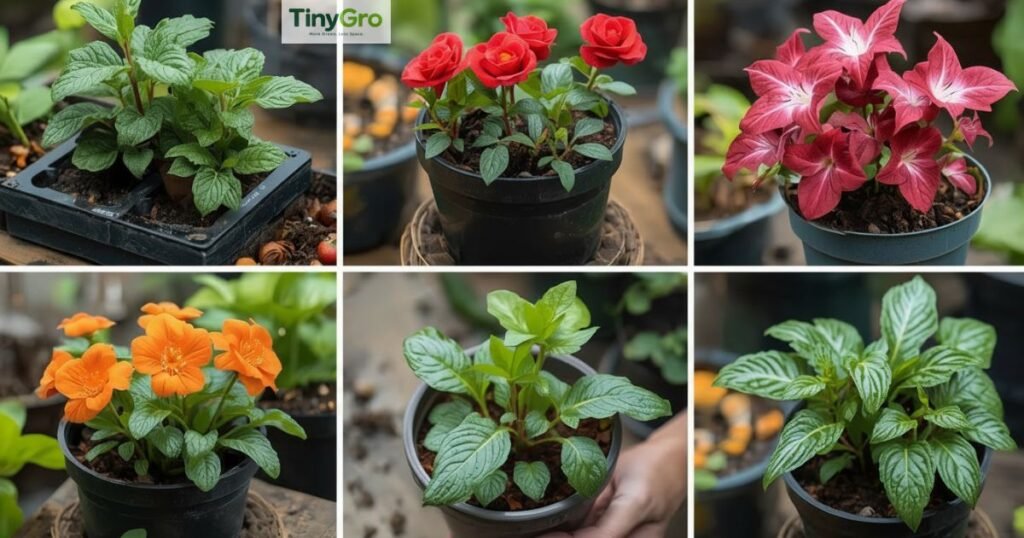
Container Gardening: A Complete Guide for Beginners

Container gardening is a simple way to grow fresh food and beautiful plants when outdoor space is limited. Whether you have a sunny balcony, small patio, porch, or backyard, you can create a productive container garden with just a few pots. This method gives you better control over soil, sunlight, water, and plant placement. You can grow potted plants, herbs, vegetables, flowers, and even some fruits without digging a traditional garden bed. With the right potting mix, suitable containers, and basic care, beginners can enjoy impressive results. In this guide, you’ll learn practical container gardening techniques to choose plants, manage watering, improve growth, and create a healthy garden in almost any space.
Container gardening gives you a simple way to grow food and flowers almost anywhere. You do not need a large backyard, perfect ground soil, or years of experience. With the right plant containers, potting mix, sunlight, and care, even a small patio can become surprisingly productive. This guide explains container gardening from the ground up. You will learn how to choose containers, prepare soil, select plants, manage water, solve common problems, and create a garden that fits your space and lifestyle.
TinyGro welcomes original guest posts from gardening enthusiasts, writers, bloggers, and industry professionals who have useful ideas and practical knowledge to share with our readers. I you have ideas, suggestions then send us through Contact Us page.
What Is Container Gardening and Why Is It Worth Trying?
At its heart, container gardening means growing plants in something other than the ground. That could be a traditional pot, raised planter, fabric grow bag, window boxes, or hanging baskets. You can grow flowers, herbs, vegetables, and even some fruit trees this way. The biggest advantage is control. You decide where the garden goes, what soil it receives, and how much attention each plant gets.
More importantly, a container garden can solve problems that traditional gardening cannot. Poor backyard soil becomes less important because you control the growing medium. Limited space stops being a deal breaker. You can move potted plants away from harsh weather or toward better sunlight. For renters and apartment dwellers, urban gardening becomes much more practical. Think of each container as a tiny garden bed you can pick up and relocate.
Why Container Gardening Works So Well for Beginners

For beginners, containers create a smaller learning curve. You can start with one tomato plant or a few herbs instead of managing an entire yard. Small-space gardening also lets you experiment without spending a fortune. If one plant struggles, you can change its location, soil, or watering routine. That flexibility makes container gardening for beginners both approachable and rewarding.
How to Choose the Right Containers

The container you choose can quietly determine whether your plants flourish or struggle. Start with the mature size of the plant rather than the size of the young seedling. A tiny pepper transplant may look comfortable in a small pot today. Six weeks later, its roots may need considerably more room. Therefore, consider container size, root depth, mature height, and moisture needs before buying anything.
Material matters too. Terracotta pots breathe well but dry quickly. Plastic pots are lightweight and usually retain moisture longer. Ceramic pots can look beautiful on a porch but may become heavy when filled. Fiberglass containers offer a lighter alternative to stone or concrete. Meanwhile, concrete pots suit permanent displays because they resist movement. Wood barrels create a rustic look. You can also make safe DIY containers from suitable household items, provided they are clean and have adequate drainage.
How Big Should a Container Be?

A good rule is simple: match the pot to the plant’s root system. Lettuce and many herbs can handle relatively shallow containers. Tomatoes, carrots, peppers, and larger plants need more room. Deep-rooted crops especially benefit from taller garden containers. Avoid choosing an enormous pot for a tiny plant simply because bigger seems better. Excess wet soil can remain around small roots for too long.
Why Drainage Holes Matter in Container Gardening
Never underestimate drainage holes. They allow excess water to escape instead of sitting around the roots. Good proper drainage reduces the risk of waterlogged soil and root problems. A decorative outer pot can hold a growing pot inside it. That arrangement gives you attractive styling without sacrificing drainage. Avoid assuming that a thick layer of rocks at the bottom will fix poor drainage.

Where to Place Your Container Garden

Location is the garden’s hidden engine. Before buying plants, watch your space for a full day and notice how sunlight moves across it. A south-facing area often receives strong light, while a shaded porch may receive much less. However, nearby walls can reflect heat. Balconies can also become windy. Your best location balances light, temperature, wind, accessibility, and water access.
For patio gardening, place sun-loving crops where they receive enough direct light. For balcony gardening, check whether railings, nearby buildings, or awnings create shadows. Small garden ideas often work best when you use vertical space instead of spreading containers across the floor. Group plants with similar light and water requirements. This simple trick can make daily care much easier.
How to Prepare the Best Soil for Container Gardening
Healthy roots need more than dirt. They need air, moisture, nutrients, and enough structure to grow freely. That is why ordinary backyard soil often performs poorly inside a pot. It can become compacted and restrict drainage. Instead, use a quality potting mix designed for containers. A good mix should remain loose enough for roots while holding sufficient moisture between waterings.
You can improve many mixes with compost, although more is not always better. Too much organic material can hold excessive moisture or create an overly rich environment. For vegetables, a balanced container soil mixture should support steady growth without becoming heavy. Materials such as perlite or coarse mineral components can improve aeration. Coco coir can help retain moisture while reducing weight. The exact recipe depends on the plants and local conditions.
Can You Use Garden Soil in Containers?
Using backyard soil alone often creates trouble. It may contain clay, weed seeds, or organisms that become problematic in a confined pot. Heavy soil also drains differently inside containers. A better approach is to use a quality container mix as your primary growing medium. If you add garden soil, use it carefully and understand how it changes texture, drainage, and weight.
How to Plan a Container Garden
Good container garden design begins before you touch the soil. First, measure your available space. Then note sunlight, wind, water access, and walking room. Choose plants that fit those conditions rather than forcing unsuitable crops into space. This approach saves money because you stop buying plants that were doomed from the start.
When container planting, think about mature size rather than nursery appearance. Crowding several large plants into one pot may look impressive initially. Later, roots compete for moisture and nutrients. Proper plant spacing keeps airflow moving and gives each plant enough room. For decorative arrangements, the classic thriller filler spiller method can create height, fullness, and movement in one container.
How to Plant Container Plants Correctly
Start with a clean container that has drainage. Add moist growing medium until the plant sits at the correct height. Keep the root ball level with the surrounding mix rather than burying the stem unnecessarily. Fill around the roots gently. Leave a little space below the rim so water does not immediately spill over. Finish by watering thoroughly.
How Does the Thriller, Filler, Spiller Method Work?
The thriller filler spiller approach divides a mixed planter into three visual roles. The thriller provides height and drama. The filler creates fullness around the center. The spiller trails over the edge. You can use this method with annual flowers, foliage plants, and herbs. The trick is to combine plants with similar sunlight, water, and soil preferences.
Best Vegetables for Container Gardening

Several productive crops adapt well to containers. Tomatoes, cucumbers, kale, hot peppers, carrots, beans, eggplant, spinach, chard, and potatoes can all work when you match the crop to the container. Tomatoes need strong support and adequate root space. Carrots need deep soil. Cucumbers benefit from trellis. Potatoes need enough depth for tuber development.
Best Herbs for Container Gardening
A kitchen herb garden can start with just one sunny container. Basil, oregano, parsley, rosemary, thyme, tarragon, and mint are popular choices. Keep plants with similar water requirements together. Mint deserves special attention because it spreads aggressively. Growing it alone prevents it from taking over a shared planter.
Best Flowers for Container Gardening

For colorful displays, petunias, geraniums, begonias, impatiens, coleus, Angelonia, zinnia, and violet offer plenty of possibilities. Fountain grass, lantana, and Mandeville can add height, texture, or movement. Ornamental grass can also create an architectural focal point. Always check each plant’s sunlight and temperature preferences before combining them.
Can You Use Companion Planting in Containers?
Yes, compatibility matters more than simply pairing popular crops. Companion planting works best when plants share similar growing conditions and have enough room. Basil and tomatoes can share a container if the pot is large enough and both receive adequate light. Mint is different. Its vigorous growth often makes a separate container the wiser choice.
How to Water and Fertilize Container Plants
Watering is where many beginners accidentally turn a healthy garden into a stressed one. Containers can dry faster than ground beds because their limited soil volume holds less moisture. However, watering every plant on a rigid schedule can cause problems. Check the soil first. If the upper layer feels dry and the plant need moisture, water thoroughly until excess water exits the drainage holes.
Research from University of Minnesota Extension notes that container plants may need daily watering under some conditions. It also warns against prolonged dryness and waterlogged soil. Mulch can reduce evaporation and moderate soil temperature. (University of Minnesota Extension) Therefore, watering container plants should respond to weather, plant size, container material, and soil moisture rather than the calendar alone.
How Often Should You Water Container Plants?

There is no universal number of days. A small pot in full summer sun may need water far more often than a large, shaded planter. Hot weather, wind, porous materials, and mature roots increase water demand. Check containers regularly during heat waves. Water deeply when needed rather than giving plants a tiny splash that only wets the surface.
How Do You Fertilize Container Plants?
Frequent watering can gradually move nutrients out of the container. That makes fertilizing container plants an important part of long-term care. Slow-release fertilizer can provide a steady nutrient supply. Liquid fertilizer offers more control when plants need quick feeding. Always follow the product label. More fertilizer does not mean faster growth. Excess nutrients can damage roots and create weak, unbalanced plants.
How Can You Water Containers During Vacation?

A simple drip irrigation system with a timer can keep several containers hydrated while you travel. Self-watering containers provide another option because they store water below the growing medium. For short trips, you might move plants away from intense afternoon sun and arrange a reliable manual watering solution. Test any automated system before leaving. A forgotten timer can create a very expensive surprise.
How to Support and Maintain a Healthy Container Garden
Healthy container plants need more than water and fertilizer. As plants grow, their roots may become crowded, and their stems may need support. Tomatoes can become top-heavy. Cucumbers may climb rapidly. Flowering plants may become leggy after repeated growth. Regular observation lets you catch these issues before they become major problems.
Good container garden maintenance is mostly small work done consistently. Remove damaged leaves, check for pests, rotate plants when appropriate, and keep the soil surface reasonably clean. Mulching containers can reduce evaporation and moderate surface temperature. University of Minnesota Extension also notes that mulch can help limit water loss and protect leaves from soil splash. (University of Minnesota Extension)
When Should You Repot Container Plants?
Repotting plants becomes useful when roots circle the container, water runs through unusually quickly, or growth slows despite good care. These are common signs of rootbound plants. Move the plant into a somewhat larger container rather than jumping into an enormous pot. A gradual increase gives roots fresh growing space without leaving a large volume of wet soil around them.
How Do You Protect Container Plants from Pests?
Regular inspection is your first line of pest control. Look beneath leaves and around new growth because many insects hide in these areas. Remove badly damaged leaves when appropriate and avoid creating constantly wet foliage. Physical barriers can provide useful wildlife protection for seedlings. If you use a pesticide, choose one labeled for the specific pest and crop, then follow its directions carefully.
Common Container Gardening Problems and How to Solve Them

Most container problems leave clues. Yellow leaves, wilting, weak growth, and constantly wet soil are not random events. They are messages from the plant. Instead of immediately adding fertilizer or water, look at the whole situation. Check sunlight, soil moisture, drainage, roots, temperature, and recent changes. This simple diagnostic habit can save a struggling garden.
A useful way to troubleshoot is to change one factor at a time. If a plant stays wet for days, investigate drainage first. If it wilts every afternoon, examine heat and moisture. If leaves become pale while growth remains weak, consider nutrition or light. Good gardeners become detectives. You do not need to guess when the plant is already giving you clues.
Why Are Container Plants Turning Yellow?
Yellow leaves can result from several causes. Overwatering is common, especially when containers lack adequate drainage. Nutrient shortages can also cause discoloration. Low light may contribute to weak growth. Check the soil before watering again. If it remains saturated, solve the moisture problem rather than adding fertilizer immediately.
Why Does Container Soil Dry Out So Quickly?
Small containers hold less moisture. Terracotta also loses moisture through its porous sides. Strong sunlight and wind increase evaporation. Large, healthy plants can empty a container quickly as their roots absorb water. Increasing container size, adding suitable mulch, grouping plants by water needs, or using drip irrigation can reduce the daily workload.
Why Are Plants Wilting Even After Watering?
Wilting does not always mean the plant needs more water. Waterlogged roots can become unable to function normally. Extreme heat can also cause temporary midday wilting. Rootbound plants may struggle to absorb moisture evenly. Check the soil and roots before watering again. Sometimes the answer is better, proper drainage, not additional water.
Why Are Container Plants Not Producing Flowers or Fruit?
Poor flowering or fruiting can result from insufficient sunlight, excessive nitrogen, irregular watering, or unsuitable temperatures. Some crops also need pollinators or compatible flowering conditions. If a tomato receives strong light but produces lush leaves and few fruits, excessive nitrogen may be part of the problem. Review the entire growing environment before changing fertilizer.
How to Make Container Gardening Easier and More Affordable

You do not need expensive pots and planters to build a productive garden. Start with a few containers and expand gradually. Reusing suitable food-safe buckets, nursery pots, or other sturdy vessels can reduce costs. Add drainage holes where appropriate. Spend your budget on quality growing medium and productive plants rather than buying decorative containers for every crop.
For a low-maintenance container garden, choose plants suited to your local conditions. Group containers according to sunlight and water needs. Use vertical gardening to increase production without consuming more floor space. Add a simple irrigation timer if daily watering becomes difficult. These small decisions turn gardening from another chore into a manageable routine. The best system is the one you can maintain consistently.
How Can You Save Water?
Water conservation begins with the container itself. Larger pots usually provide more soil volume and can hold moisture longer. Mulch reduces evaporation from the surface. Grouping thirsty plants together allows more efficient watering. In hot climates, protect containers from harsh afternoon exposure where suitable. A timer-controlled irrigation system can also deliver water consistently without relying on memory.
How Should U.S. Gardeners Choose Plants for Their Region?
Your location matters. The USDA Plant Hardiness Zone Map is the standard reference for perennial cold tolerance in the United States. You can enter your ZIP code to find your zone. (planthardiness.ars.usda.gov) Remember that hardiness zones describe winter cold rather than every growing condition. Summer heat, humidity, rainfall, wind, sunlight, and local frost dates also influence plant performance.
U.S. Growing Situation | Container Gardening Consideration |
Northern states | Protect roots and containers from severe winter cold |
Southern states | Watch heat, humidity, pests, and rapid moisture loss |
Southwest | Prioritize heat-tolerant plants, shade management, and efficient watering |
Pacific Northwest | Monitor excessive moisture and limited summer light |
Northeast | Use seasonal planting and protect tender crops from frost |
Midwest | Plan around temperature swings and shorter growing seasons |
Apartments and balconies | Check sunlight, wind, weight limits, and convenient water access |
Conclusion
The beauty of container gardening is its flexibility. You can start with one pot today and build a productive collection over time. Focus first on the fundamentals: suitable containers, good soil, adequate sunlight, thoughtful plant selection, and consistent watering. Once those pieces work together, everything else becomes much easier.
Your first garden does not need to be perfect. A healthy container vegetable garden with tomatoes and herbs can teach you more than dozens of complicated gardening theories. Start small, observe your plants, and adjust as you learn. With patience and a little curiosity, even a narrow balcony, sunny porch, or modest patio can become a productive green corner.

Hi, I’m Izhar Ashref, a blogger and website developer with a passion for creating useful websites and sharing valuable content online.
I enjoy turning ideas into simple, informative, and user-friendly websites. Through blogging and web development, I aim to create content that helps readers, provides practical information, and adds value to the online community.
I’m always interested in learning new things, improving my skills, and exploring new ideas in the digital world.
Appreciation 🌸
A beautiful appreciation for the creativity and effort behind this wonderful website dedicated to small flowers growing. 🌱🌼
Sometimes the smallest flowers carry the biggest message — growth, patience, beauty, and hope. The way you’ve captured that idea through a website is truly special.
Thanks for appreciation.
Love what TinyGro is doing! It’s so refreshing to find simple, practical gardening tips that actually empower people to start growing their own food, no matter how small their space is
Thank you for loving our website
Appreciated!
Great to connect with you. I really appreciate how you turn ideas into useful, user-friendly websites and share valuable content with the community.
Gardening is my hobby and I really enjoy it too 🌱 It’s all about nurturing growth — whether it’s plants or digital ideas.
Keep creating and inspiring. Looking forward to reading more from you!
Thanks for appreciation. We will try to post amazing ideas regularly.